


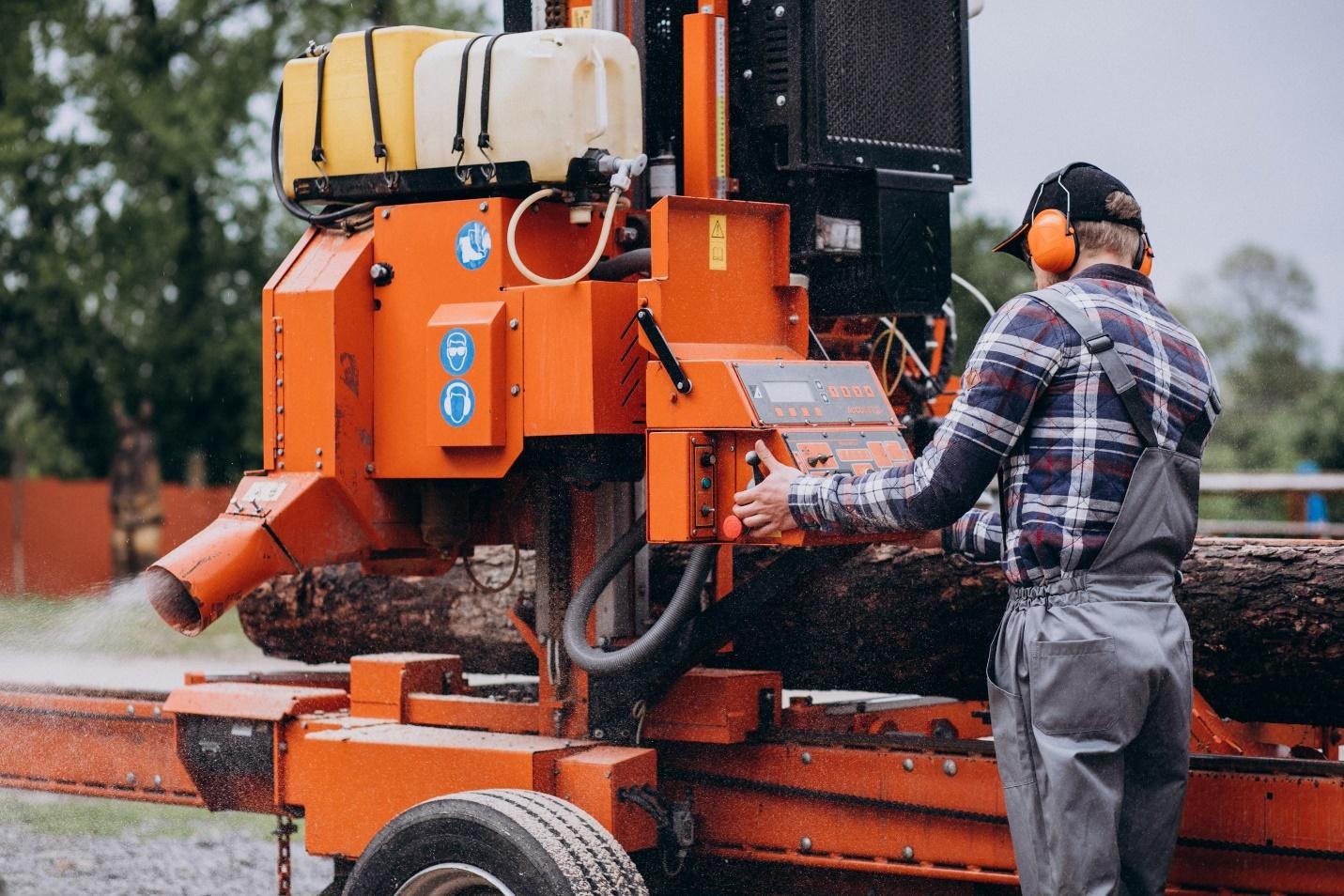
An air compressor is a mechanical device that converts power from an electric, gasoline, or diesel motor into potential energy by drawing in ambient air, compressing it into a small space, and storing it at a higher pressure. Air compressors are vital components in modern excavation because they provide a high-output, reliable power source for heavy-duty equipment and enable non-destructive digging.
By converting ambient air into pressurized air, they increase job efficiency, enhance safety, and drastically reduce the risk of infrastructure damage compared with traditional mechanical digging.
Have you been searching for the benefits of using a compressor for excavation jobs? Then you are in the right place. In this guide to air compressors and excavation, we will highlight the key benefits of using air compressors in excavation.
Non-Destructive Soft Excavation
One of the top benefits of using air compressors in excavations is air spading, or soft excavations, which uses specialized tools such as the AirSpade Pneumatic Soil Excavation Tool. This tool uses a portable compressor to blast supersonic air streams at up to 1200 mph into the ground.
The expanding air fractures and dislodges porous soil while leaving nonporous solid objects completely unharmed. This virtually eliminates the risk of damage to buried water pipes, natural gas lines, fiber-optic cables, and electrical cables.
It also allows arborists and construction crews to clear soil around root systems for collar excavations or utility trenching without tearing or cutting vital tree roots. Because air excavation uses no water, the soil can be reused immediately.
Powering Heavy-Duty Excavators
Another striking benefit of using air compressors with excavators is that they power the excavators exclusively. For deep excavations, tunneling, and civil engineering projects, stable air pressure is essential for operating pneumatic tools through hard strata.
The air compressors provide the high air volume and constant pressure needed to power pneumatic rock drills and heavy jackhammers, which effectively break apart concrete, soil, and rock. However, in deep foundation work, down-the-hole (DTH) hammers rely entirely on compressed air as their energy source to drive the hammer and clear debris from the borehole.
Operational Efficiency and Speed
Pairing an air compressor with the excavation tools enhances operational efficiency and speed. It makes them 3 to 4 times faster than manual digging with a pick and shovel. It also lowers physical strain and worker fatigue by reducing the required effort.
However, a single, high-capacity tow-behind compressor can serve as a centralized power station. By swapping hoses and attachments, a crew can switch from digging and drilling to operating impact wrenches, structural bolting systems, and ventilation equipment.
Reliability in Remote and Harsh Environments
Pneumatic tools powered by compressors are lighter and have fewer moving parts than their electric counterparts, making them highly resistant to the dust, dirt, and mud inherent in excavation work. Additionally, high-performance diesel compressors can be towed directly onto rugged terrain and remote job sites, operating flawlessly in extreme temperatures and at high altitudes where electrical options fail.
Bonus Benefit: Champion Compressor Parts
Your air compressors might need frequent servicing and maintenance if you use them frequently. If any parts of your compressors have been malfunctioning, replace them with Champion Compressor Parts to restore optimal performance.
Bottom Line
Air compressors have become essential for excavation jobs. However, they are not only great for doing the job well but also help the task be done efficiently.
