


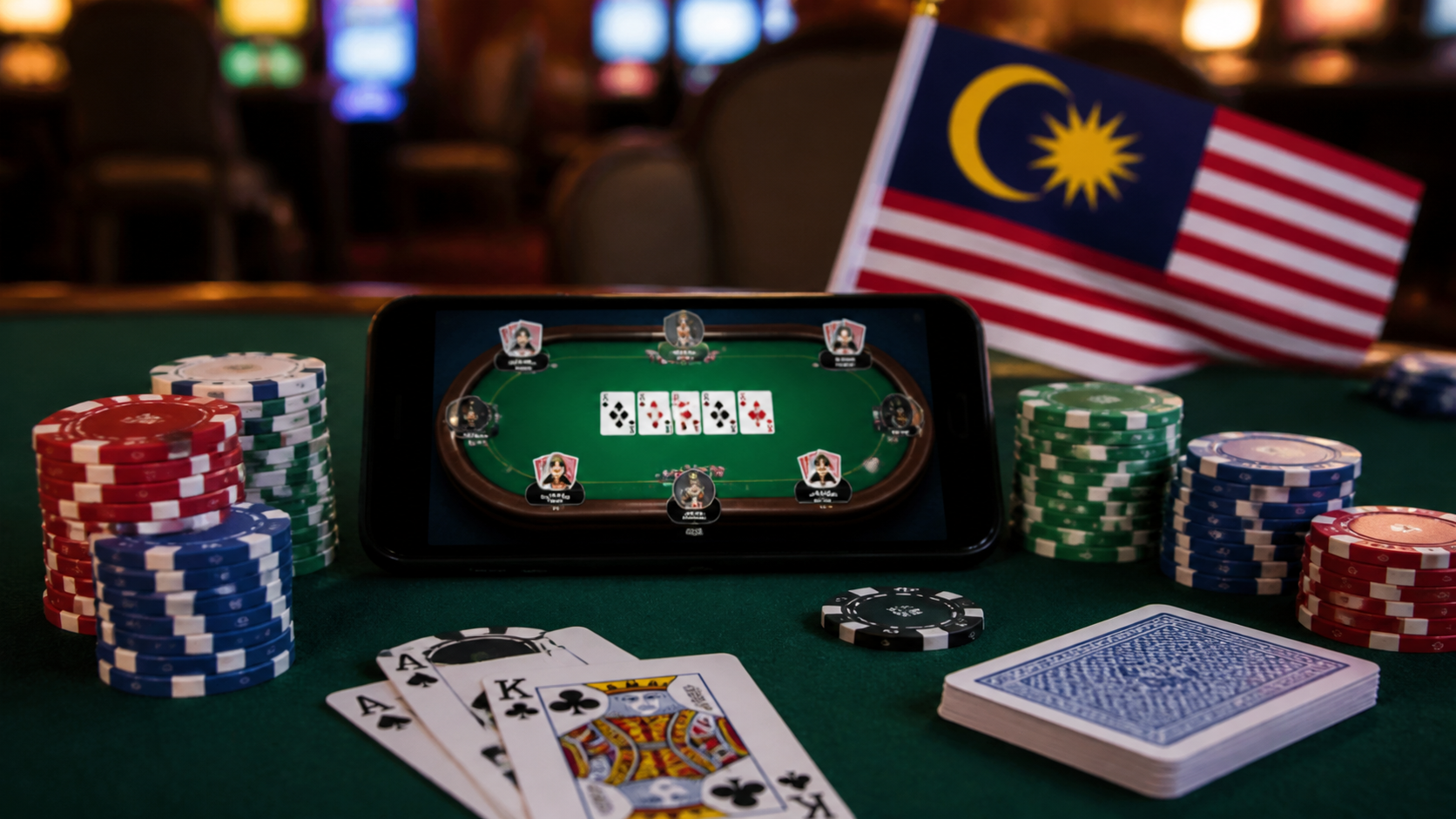
Online poker has become one of the most discussed card games among players who want strategy, variety, and the convenience of playing from home. For people exploring the subject in Malaysia, the conversation is usually less about hype and more about practical questions: how the games work, what to look for in a platform, and how to approach play with a clear plan.
That practical angle matters because poker is not a game of blind guessing. It rewards discipline, patience, and the ability to read changing situations. Whether someone is interested in casual play or wants to understand the structure of online rooms more seriously, the key is to focus on safe habits, sensible bankroll choices, and a realistic view of variance. For readers researching online poker in malaysia, the most useful guidance is usually the kind that helps them evaluate options carefully rather than chasing quick results.
What Makes Online Poker Different from Live Play
Online poker keeps the basic rules of Texas Hold’em, Omaha, and other common formats intact, but the experience changes in several important ways. The pace is usually faster, the seating is more flexible, and players can join games without traveling to a physical venue. That convenience is one of the main reasons online poker continues to attract attention.
At the same time, online play asks for a different set of habits. Because hands move quickly, decisions often need to be made with less pause for reflection. Players also lose some of the physical cues that matter in live settings, such as body language and table presence. In exchange, they gain access to game histories, multiple tables, and a wider range of stakes and formats.
For many players, that trade-off is appealing. The digital format can make it easier to practice consistently, explore different table types, and build a structured approach. Still, the experience is only as good as the player’s discipline. A fast environment can magnify mistakes just as easily as it can create opportunities.
How to Evaluate a Poker Site Carefully
Choosing a poker site should start with a basic question: does the platform suit the way you actually want to play? Some players prefer a simple lobby with a handful of familiar games, while others want tournament variety, cash tables, or the ability to play on mobile devices. A good fit depends on personal preference, not just flashy features.
It also helps to look at the overall feel of the platform. A clean interface, understandable navigation, and stable game play can make a real difference. If a site feels cluttered or difficult to use, that frustration can interfere with decision-making at the table.
Game selection and traffic
Game selection matters because poker enjoyment often depends on availability. A room with enough traffic is more likely to offer tables at different times of day and in different formats. If a player only finds one or two active games, flexibility becomes limited.
It is also worth checking whether the site offers a mix of stakes. Lower-stakes tables are useful for learning and testing strategies, while more experienced players may want a broader range of options. Variety helps a player move at a pace that feels comfortable.
Payments and account usability
Players often focus on the cards first, but account management is just as important. Deposit and withdrawal options should be understandable, and the process should not feel confusing. Clear terms and easy access to account information can reduce unnecessary stress.
Mobile usability is another practical factor. Many users now prefer short sessions on phones or tablets, so the layout should remain readable and responsive. If the experience feels awkward on a smaller screen, that is a sign the platform may not suit everyday use.
Core Poker Skills That Matter Online
Online poker rewards players who think beyond individual hands. Good results usually come from a combination of game selection, position awareness, bet sizing, and emotional control. Those elements are more valuable than trying to force dramatic plays every session.
Position remains one of the most important ideas in poker. Acting later in a hand gives a player more information and often creates better decision-making conditions. Bet sizing matters too, because the size of a wager can shape how opponents respond and what kind of range they are likely to hold.
Emotional control is equally important. A player who becomes impatient after a loss may start entering pots too loosely or chasing situations that do not make sense. Online play can intensify this problem because the next hand appears quickly, leaving little room to reset mentally.
- Play within a bankroll you can comfortably manage.
- Focus on making consistent decisions instead of dramatic ones.
- Pay attention to position and table dynamics.
- Review hands after sessions to spot recurring mistakes.
- Take breaks when frustration starts affecting judgment.
That list may sound basic, but the basics often separate steady improvement from unnecessary volatility. Poker is a long-game activity, and small habits usually matter more than rare big moments.
Bankroll Management and Responsible Play
Bankroll management is one of the clearest signs that a player is taking poker seriously. It simply means setting aside a specific amount for play and avoiding the temptation to treat every session as a must-win event. Without that structure, even a careful player can make rushed decisions after a short losing stretch.
A practical bankroll approach does not need to be complicated. The idea is to choose stakes that feel manageable, accept that variance is part of the game, and avoid moving up too quickly. For tournaments, the swings can be even more noticeable, so patience is especially important. For cash games, consistency and table selection usually matter a great deal.
Responsible play also means being honest about habits. If a session stops being enjoyable, or if the urge to recover losses becomes stronger than the urge to make thoughtful decisions, it is usually time to step away. Poker should remain a controlled form of entertainment rather than a source of pressure.
Signs of a healthy approach
A healthy poker routine often includes clear limits, planned session lengths, and regular breaks. Players who track their results in a simple way tend to notice patterns earlier, which can help them avoid repeat mistakes. The goal is not perfection; it is awareness.
Another useful habit is separating poker money from everyday funds. That boundary makes it easier to keep play in perspective and reduces the risk of emotional decision-making. It also helps players stay consistent with the limits they set for themselves.
When to pause and reassess
It can be wise to pause after a run of bad decisions, not just bad results. If the same mistakes keep appearing, taking a break and reviewing hands may be more useful than playing through frustration. Even experienced players benefit from occasional resets.
Reassessment is also valuable when a player’s goals change. Someone who began with casual play may later want to focus on strategy development, while another player may decide they prefer occasional sessions only. In both cases, the right structure is the one that supports realistic habits.
Practical Tips for a Better Playing Experience
The best poker sessions usually feel organized rather than rushed. A player who prepares ahead of time is more likely to stay focused and make steady choices. That preparation does not need to be elaborate, but it should be deliberate.
Start by creating a distraction-free environment. Poker decisions become more difficult when attention is split between the table and unrelated tasks. Even a short session can benefit from a quiet setting, a charged device, and a clear expectation of how long play will last.
It also helps to treat learning as part of the game. Many players improve by reviewing hand histories, watching how opponents react in common spots, and comparing choices after the session ends. This kind of reflection builds understanding without requiring dramatic changes overnight.
- Choose a session length before you start playing.
- Use smaller stakes while learning a new format.
- Avoid multitasking when important decisions are coming fast.
- Review a few key hands after each session.
- Leave the table if frustration starts to affect judgment.
Players who build these habits often find the game more satisfying, even when results vary. That is because the experience feels structured, not random. Poker still involves uncertainty, but a thoughtful routine can make that uncertainty easier to manage.
Conclusion: Playing Online Poker with Clear Expectations
Online poker in Malaysia is best approached as a strategic game that rewards structure, patience, and careful evaluation. The most useful decisions often happen before the first hand is dealt: choosing a suitable platform, understanding the format, and setting practical limits for time and bankroll.
When players focus on manageable habits rather than short-term excitement, the game becomes easier to enjoy and easier to learn from. That perspective creates a better foundation for long-term improvement, whatever level of play someone prefers.
