


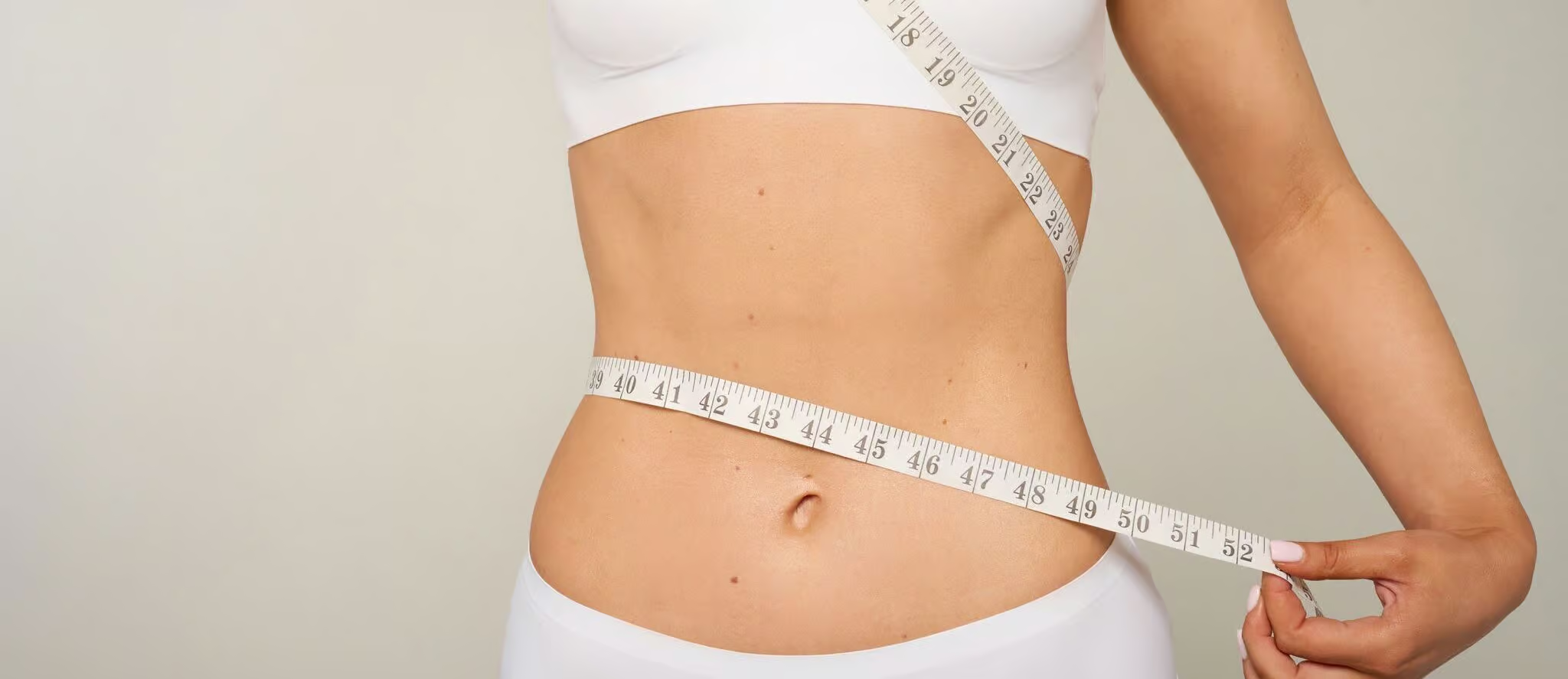
Liposuction has evolved significantly from the traditional concept of simply removing fat. Modern body contouring focuses more carefully on shape, proportion, definition, and the relationship between underlying fat and overlying skin. Rather than serving as a weight-loss procedure, lipo is primarily designed to refine areas where localized fat remains resistant to diet and exercise.
What Is Lipo?
Liposuction, also called lipoplasty, is a cosmetic surgical procedure that removes excess fat from selected areas of the body. Common treatment areas include the abdomen, waist, hips, thighs, back, upper arms, chin, neck, and other localized regions.
The goal is generally not to make the entire body smaller. Instead, treatment can help create a more balanced silhouette by reducing specific fat deposits and improving the transition between different body areas.
What Modern Body Contouring Can Actually Achieve
One of the biggest advantages of contemporary liposuction is its ability to focus on contouring rather than simply fat reduction. A carefully planned procedure can improve the appearance of areas such as the waistline, abdomen, thighs, arms, or back by addressing disproportionate fat deposits.
The final effect depends heavily on individual anatomy. Skin elasticity, existing muscle tone, the amount and location of fat, age, weight stability, and overall tissue quality all influence the outcome. Modern treatment therefore emphasizes creating a contour that looks proportional rather than removing as much fat as possible.
Lipo Is Not a Weight-Loss Treatment
A common misconception is that liposuction is an alternative to losing weight through nutrition and exercise. It is not. Lipo is generally intended for people who are relatively close to a stable, healthy weight but have localized fat deposits that are difficult to change through lifestyle measures alone.
This distinction is important because removing fat does not automatically address every concern about body shape. Someone with significant excess skin, for example, may need a different or additional body-contouring approach.
The Importance of Skin Elasticity
Fat removal and skin tightening are not the same thing. When fat is removed, the skin needs to adapt to the newly shaped underlying tissue. Individuals with good skin elasticity may experience smoother contraction, while loose or thin skin may remain after fat reduction.
This is particularly important following substantial weight loss or with age-related changes in skin firmness. In some cases, a skin-tightening treatment or surgical procedure may be considered alongside liposuction to produce a more complete contour.
Where Advanced Techniques Fit In
Modern liposuction may involve different technologies and techniques designed to assist with fat removal or tissue management. Laser-assisted approaches, for example, use energy to affect fat before it is removed and may be associated with some degree of subsequent skin contraction. However, technology does not eliminate the need for careful patient selection or appropriate surgical planning.
When researching options such as smart lipo near me, it is useful to look beyond the technology’s name. The experience and qualifications of the practitioner, treatment plan, facility standards, expected results, and discussion of potential risks are all important considerations.
What Lipo Cannot Correct
Liposuction has limitations. It cannot replace healthy weight management, and it is not designed to treat obesity. It also does not reliably eliminate cellulite or correct substantial loose skin by itself.
Understanding these limitations can help patients develop realistic expectations. A successful consultation should identify whether the primary concern is localized fat, loose skin, muscle separation, cellulite, or a combination of issues.
Recovery and the Development of Results
Swelling and fluid retention are normal considerations during the recovery period, meaning the initial appearance may not represent the eventual contour. As healing progresses and swelling decreases, the treated areas generally become easier to evaluate. Some patients may be able to return to work within several days after assisted liposuction, although recovery varies according to the procedure and individual circumstances.
Final results do not necessarily appear immediately. It can take months for swelling to fully settle, and the body gradually adapts to its new contours. Maintaining a relatively stable weight afterward can help preserve the improvement.
Safety Should Remain Part of the Conversation
Although liposuction is widely performed, it is still a medical procedure with potential complications. Possible risks include infection, bleeding, swelling, fluid accumulation, changes in sensation, contour irregularities, asymmetry, poor wound healing, blood clots, and complications related to anesthesia. Certain assisted techniques can also carry technology-specific risks, such as thermal injury.
For this reason, choosing a properly qualified medical professional and having a thorough consultation are essential. A responsible consultation should cover medical history, treatment goals, expected recovery, alternatives, and potential complications.
Choosing the Right Approach
There is no single body-contouring technique that is ideal for everyone. The right approach depends on the amount and distribution of unwanted fat, skin quality, overall health, aesthetic goals, and the desired degree of contouring.
Someone with localized abdominal fat and firm skin may require a very different strategy from someone who has significant loose skin after major weight loss. Personalized planning is therefore more valuable than choosing a procedure simply because it is marketed as newer or more advanced.
The Bottom Line
Modern lipo can do more than reduce isolated pockets of fat—it can help refine proportions and create a more defined body contour when the appropriate patient and technique are selected. However, the best outcomes come from realistic expectations, careful assessment of skin quality, qualified medical care, and a personalized treatment plan.
Liposuction can produce meaningful and long-lasting contour improvements, but it is not a shortcut to overall weight loss or a universal solution for every body-shaping concern.
