


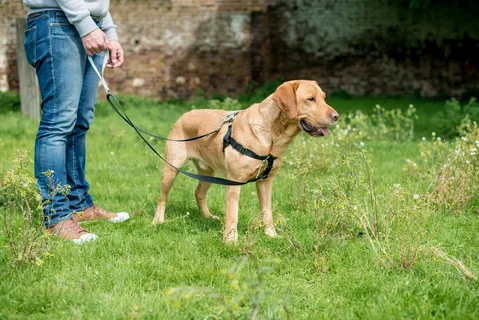
Walking your dog should be an enjoyable part of your daily routine, not a constant struggle against the leash. Effective leash pulling correction for dogs helps teach better walking habits, improves communication, and makes outings safer. Instead of relying on constant leash tension, successful training focuses on rewarding the behaviors you want to see.
Dogs pull for several reasons, including excitement, curiosity, learned habits, and a desire to reach interesting smells or destinations. Understanding these motivations helps owners address the cause of pulling rather than simply managing the symptoms.
Why Dogs Pull on the Leash
Leash pulling is common, particularly in young dogs and those with limited walking experience. Even adult dogs that have pulled for years can learn different habits through structured practice.
Pulling often continues because it works. When a dog pulls toward an interesting smell and reaches it, the behavior may become stronger. Other contributing factors include:
- Excitement: Dogs may struggle to control themselves around people, animals, or stimulating environments.
- Limited experience: Puppies may not understand how to respond to leash pressure.
- Environmental distractions: Sounds, scents, and movement compete with an owner’s cues.
- Fear or frustration: Some dogs pull toward exciting activities, while others strain away from uncomfortable situations.
Identifying when pulling occurs helps determine the best training approach. A dog that pulls toward every smell may need impulse-control practice, while one that lunges at other dogs may need help managing fear or reactivity.
Leash Pulling Correction for Dogs Starts With Consistency
Establish clear expectations before changing your dog’s walking habits. Decide what successful walking looks like and use the same approach during practice.
Teach your dog that moving forward happens when the leash is loose, while pulling pauses forward movement. This creates a predictable relationship between behavior and outcome.
Begin in a quiet environment with few distractions, then gradually introduce more challenging surroundings.
Choose Appropriate Walking Equipment
A properly fitted collar or suitable harness can help you manage your dog safely. The best option depends on your dog’s size, physical condition, and behavior.
A front-clip harness may provide additional steering control, but equipment alone does not teach polite walking. Avoid equipment that causes pain, restricts breathing, or relies on intimidation. If your dog is strong or reactive, ask a qualified trainer for guidance.
How to Teach Your Dog to Walk Without Pulling
A structured routine makes leash training easier to understand. Keep sessions short, reward progress, and adjust the difficulty to your dog’s behavior.
1. Practice in a Quiet Area
Start inside your home, in a fenced yard, or somewhere with few distractions. Reward your dog for walking near you with a relaxed leash. Treats and praise help establish the desired behavior before distractions increase.
2. Stop When the Leash Becomes Tight
Stop moving forward when your dog pulls. Wait for your dog to turn toward you or create slack in the leash.
When the leash relaxes, reward your dog and continue walking. Avoid jerking the leash or dragging your dog back. The goal is to teach an alternative behavior without causing discomfort.
3. Reward Good Walking
Reward small successes, such as walking beside you for several steps, checking in voluntarily, or passing a distraction calmly.
Use rewards your dog values. Higher-value treats may help maintain attention in busier environments.
4. Increase Distractions Gradually
Once your dog walks comfortably in a quiet setting, practice on sidewalks and gradually busier routes. Increase the challenge slowly. If pulling returns, move to an easier environment and rebuild success.
5. Keep Sessions Manageable
Short, focused sessions can be more productive than long walks filled with frustration. Practice consistently and finish while your dog can still respond successfully.
Managing Distractions During Walks
Even dogs that walk well at home may pull when encountering squirrels, other dogs, or unfamiliar people. Prepare for these situations instead of relying on obedience cues alone.
Watch for signs that your dog is becoming overwhelmed, such as staring, stiffening, or ignoring familiar cues. Create distance before the situation escalates.
Try these strategies:
- Increase distance: Move away from distractions your dog cannot yet handle calmly.
- Reward check-ins: Reinforce moments when your dog looks toward you.
- Change direction: Redirect before the leash becomes tight.
- Choose quieter routes: Practice reliable walking before entering crowded areas.
- Allow sniffing: Reward relaxed leash behavior with opportunities to explore.
Sniffing is a natural behavior. Letting your dog investigate an interesting spot when the leash is relaxed teaches that calm walking, rather than pulling, makes exploration possible.
Common Leash Training Mistakes to Avoid
Pulling back against the leash
Constantly pulling in the opposite direction can create a tug-of-war. Instead, stop, encourage slack, and reward your dog for reconnecting with you.
Expecting immediate results
Polite walking around distractions takes practice. Rushing into difficult environments can increase frustration.
Using inconsistent rules
If pulling sometimes earns access to a destination, the behavior may continue. Keep your response predictable and reward relaxed walking.
Ignoring signs of stress
Barking, lunging, freezing, or trying to escape may indicate fear or frustration rather than simple disobedience. These behaviors may require a specialized plan.
Relying only on equipment
A different harness may improve handling, but lasting progress requires teaching and reinforcing alternative behaviors.
When to Seek Professional Dog Training
Professional support can help when your dog pulls so strongly that walks feel unsafe, repeatedly lunges at other dogs, or makes little progress despite consistent practice.
A qualified trainer can assess your dog’s behavior, environment, and response to distractions. If pulling begins suddenly or appears alongside pain, limping, or breathing difficulty, consult a veterinarian before increasing training demands.
Rob’s Dog Training offers services to help owners address behavioral challenges and improve communication with their pets.
Build Better Walking Habits With the Right Support
Successful leash pulling correction for dogs depends on understanding why the behavior occurs, rewarding loose-leash walking, and practicing consistently. Focus on small improvements instead of expecting your dog to master every situation immediately.
With patience and clear expectations, walking can become a calmer experience for both of you. For information about available training services, visit robsdogs.
