


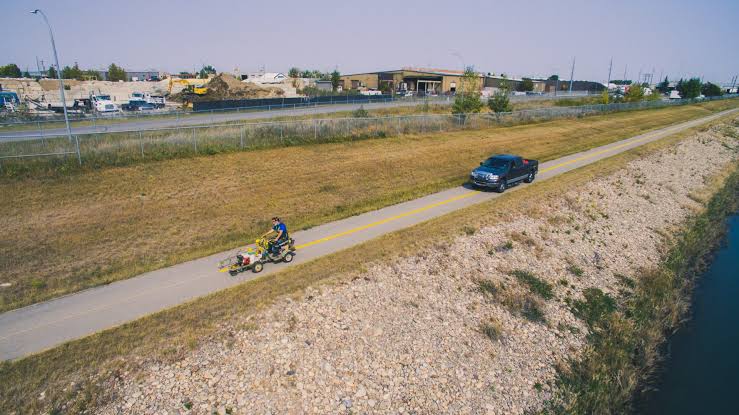
Faded stalls, peeling lines, and accessible spaces marked in the wrong place create real problems for a commercial property. These issues confuse drivers, invite complaints, and can lead to ADA violations long before the next scheduled restripe. Choosing the right parking lot striping services starts with layout skill and code knowledge. Durable materials, flexible scheduling, and a clear written quote then separate a strong contractor from a low bid that fails early.
Striping looks simple from the curb, yet the work involves measurements, regulations, and timing that affect safety for years.
What a Commercial Striping Contractor Should Handle
A commercial striping contractor should handle new layouts and full restriping of existing lots. The scope also covers ADA stalls and signs, fire lanes, arrows, crosswalks, and the removal of old markings.
The full scope of commercial striping work usually includes:
- New lot layouts and restriping
- Accessible stalls, aisles, and signs
- Fire lanes and curb painting
- Directional arrows and stencils
- Crosswalks and stop bars
- Thermoplastic markings
- Removal of old or incorrect lines
Contractors who handle the full list save you from coordinating several vendors. One crew also keeps colors, line widths, and layouts consistent across the property.
1. Project Scope to Define Before Requesting Bids
Knowing your scope before calling contractors lets you compare bids on the same job. Start by deciding if the lot needs a simple restripe over existing lines or a new layout. New layouts take more planning, especially when the goal is adding stalls or improving traffic flow.
Note these details before you request quotes:
- Total stall count and any planned changes
- Number of accessible and van-accessible stalls
- Fire lanes, loading zones, and crosswalks
- Preferred work days and hours
- Pavement condition, including cracks or worn sealcoat
Pavement condition matters because fresh lines on failing asphalt wear out quickly. Sealcoating or crack sealing first can protect your striping investment.
2. Experience With Commercial Lots Like Yours
Commercial striping experience varies widely between contractors. These three areas show the experience that matters most for your property.
Similar Property Types
Retail centers, medical offices, apartment communities, and industrial sites all need different layouts. Retail lots focus on turnover and clear traffic flow, while industrial sites need loading zones and truck routes. Ask contractors for recent jobs on properties similar to yours.
Portfolio and References
Photos and references reveal the quality of past work. Useful questions for past clients include:
- Were the lines straight and evenly painted?
- Did the crew finish on schedule?
- Did the markings last as promised?
- Was the site left clean?
Two or three strong references give you a clear picture of the contractor’s reliability. Recent references carry more weight than older ones.
Layout Skills for New Designs
New layouts call for careful measurement and planning. Skilled contractors map stall sizes, aisle widths, and traffic flow before painting, and many use laser-guided equipment for accuracy. Good layout work can add stalls without crowding drive aisles.
3. ADA and Code Knowledge
Accessibility and fire code rules apply to most commercial lots, and mistakes create liability for the owner. A qualified contractor should know these requirements well:
- Accessible Stall Count: The number of accessible stalls depends on the total spaces in the lot. The contractor should calculate this figure before laying out the design.
- Van-Accessible Spaces and Aisles: At least one of the six accessible spaces must be van-accessible. Access aisles serving car and van parking spaces must be at least 60 inches wide and clearly marked.
- Signage Height and Placement: Accessible spaces need signs that stay visible when a vehicle occupies the space. Van spaces also need a “van accessible” sign.
- Fire Lanes: Local fire codes set the color, wording, and location of fire lane markings. The contractor should confirm these rules with the local fire marshal.
- Color Standards: White typically marks parking stalls, yellow marks hazards and opposing traffic, and blue marks accessible spaces. Consistent colors help drivers read the lot quickly.
Contractors who know these rules protect you from costly corrections later. Ask what steps they take to confirm current requirements before starting a layout.
4. Equipment and Surface Preparation
The right equipment and careful preparation decide the quality of the finished lines. Professional crews use airless line stripers that apply paint at a consistent width and thickness. Hand-rolled or spray-can lines rarely match this quality and wear unevenly.
Surface prep matters just as much. Crews should sweep or blow debris off the pavement, repair cracks in the line paths, and wait for any new sealcoat to cure before striping. Painting over dust or wet sealcoat leads to peeling within months.
5. Scheduling That Keeps Your Property Open
Good scheduling lets the striping happen while your business stays open. Ask contractors about these options:
- Night and weekend work
- Phased sections of the lot
- Coned and taped work areas
- Clear drying times before traffic
- Advance notice for tenants
Waterborne traffic paint often dries in under an hour in warm, dry weather. Humidity and cool temperatures extend that window, and a good contractor plans around them.
6. Paint and Marking Materials
The materials a contractor proposes affect durability, drying time, and cost. Most commercial lots use a mix of these three options.
Waterborne Traffic Paint
Waterborne traffic paint is the standard choice for parking stalls and general markings. The paint dries quickly, contains low levels of solvents, and lasts one to two years on most commercial lots. Applying two coats on a new layout improves coverage and life.
Thermoplastic for High-Wear Areas
Thermoplastic is applied hot and bonds to the pavement as it cools. The material lasts several years and suits crosswalks, stop bars, arrows, and fire lanes where traffic wears paint quickly. Thermoplastic costs more upfront, though fewer replacements often balance the price over time.
Glass Beads and Night Visibility
Glass beads dropped into wet paint reflect headlights to drivers and make markings easier to see at night. Wet weather reduces this effect, and the retroreflectivity of conventional pavement markings diminishes significantly under wet conditions at night. Beaded markings in crosswalks and drive lanes help drivers in these conditions.
7. Insurance and Crew Safety Practices
Striping crews work in active lots with moving vehicles, and the contractor’s coverage protects you if an accident happens. Ask for certificates of general liability and workers’ compensation insurance before work begins. Safe crews also set up cones, signs, and spotters to keep drivers and pedestrians away from wet paint and equipment.
What a Striping Quote Should Include
A complete quote lets you compare contractors on equal terms. Check that the quote lists these items:
- Layout drawing or total stall count
- Material type for stalls and high-wear areas
- Number of coats and film thickness
- Stencils, arrows, and symbols
- ADA signs and posts
- Surface preparation steps
- Schedule and drying time
- Warranty terms
- Cleanup and debris removal
Quotes missing several of these items often hide thin paint or skipped prep work. Asking for a revised quote gives all bidders the same chance to price the full job.
Comparing Striping Bids Side by Side
Once quotes arrive, line them up against the scope you defined at the start. The lowest price often reflects a single thin coat, no layout work, or missing ADA signs. Ask contractors to explain any large gaps in price before you sign.
Choosing parking lot striping services based on value instead of price alone protects your lot from early fading and costly corrections.
Important FAQs
What should you look for in a parking lot striping contractor?
Look for commercial experience, strong references, and solid knowledge of ADA and fire lane rules. Good contractors also use professional striping equipment, prepare the surface properly, offer flexible scheduling, and provide a detailed written quote with a warranty.
How long does parking lot striping paint take to dry?
Waterborne traffic paint usually dries to the touch in 15 to 30 minutes and can take light traffic within about an hour in warm, dry weather. Humidity and cool temperatures extend drying time, and thermoplastic sets within minutes.
Bottom Line
The right contractor brings commercial experience, solid ADA knowledge, and the equipment to lay sharp, durable lines. Careful prep, flexible scheduling, and a detailed quote then show the difference between quality work and a low bid that fades early. Comparing parking lot striping services on these points keeps your lot safe, compliant, and easy to navigate.
Fresh lines last longest on a well-prepared surface, and Satterfield Paving handles crack fill and sealcoating ahead of striping to give your markings a clean, sealed base. Bringing the prep and the striping together under one crew keeps your lot closed for less time and finished to one standard. Ask the team to plan the prep and striping as a single project.
Read More: How Much Does Annual Parking Lot Maintenance Cost For A Commercial Property
