


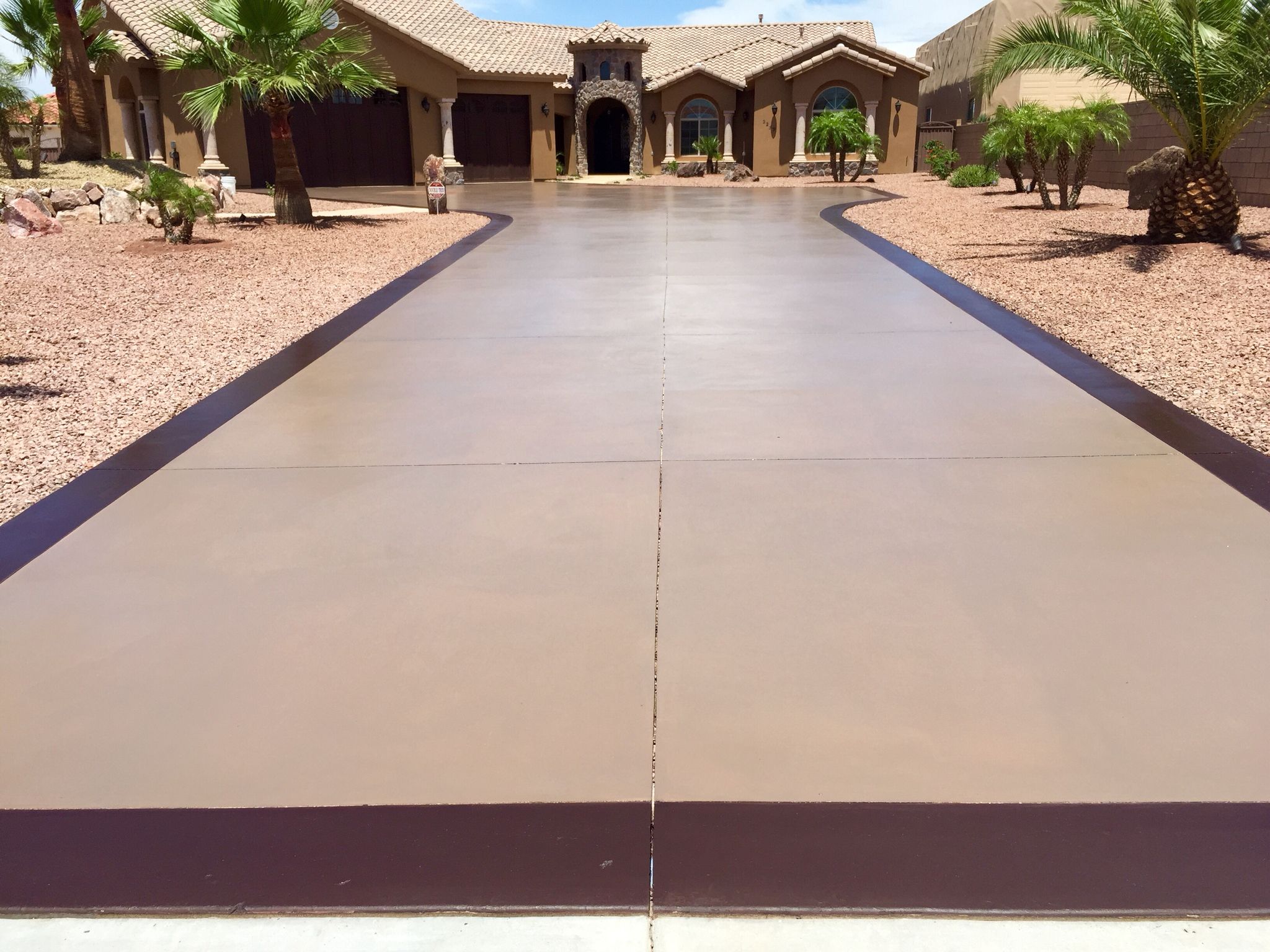
A driveway is one of the first features visitors notice when approaching a property. Although concrete provides a durable foundation, an untreated surface can gradually develop stains, discoloration, and visible wear. Decorative driveway concrete coatings offer a way to enhance existing concrete while adding a protective layer suited to the property’s needs.
For homeowners looking to improve curb appeal, coatings can be an alternative to replacing an existing driveway when the concrete remains suitable for treatment. Available finishes, colors, and textures can complement different architectural styles, creating a cohesive appearance between the driveway, landscaping, and home exterior.
However, selecting a coating involves more than choosing an attractive color. Concrete condition, weather exposure, vehicle traffic, drainage, and installation requirements all influence a coating system’s suitability and performance. Exploring solutions from Superior Garage Flooring can help homeowners research available concrete coating options before deciding which approach best suits their property.
Benefits of Decorative Driveway Concrete Coatings
Decorative coatings combine aesthetic improvements with practical considerations. The specific benefits depend on the coating material, application method, and condition of the concrete.
1. Enhance Exterior Appearance
A plain concrete driveway can look unfinished compared with carefully maintained landscaping and exterior features. Decorative finishes help create a more polished appearance without necessarily requiring a complete driveway replacement.
Homeowners can explore different colors and surface effects to complement exterior paint, stonework, garage doors, and walkways. Neutral shades can create a timeless appearance, while textured finishes can add visual interest without overwhelming the property’s design.
Before making a selection, consider how the finish will look in natural sunlight, against surrounding materials, and alongside the home’s existing color scheme.
2. Help Protect Concrete Surfaces
Concrete experiences regular exposure to vehicle tires, moisture, dirt, and environmental conditions. Depending on the product, a suitable coating can provide a protective layer that helps reduce surface staining and everyday wear.
Coatings may also help limit moisture penetration when the selected system is appropriate for the concrete and installed according to manufacturer specifications. Nevertheless, coatings are not a substitute for repairing structural problems, correcting drainage issues, or addressing significant cracks.
Understanding the intended protective benefits of a particular product helps homeowners establish realistic expectations before installation.
3. Simplify Routine Cleaning
Driveways collect dust, mud, tire marks, and other contaminants through regular use. Certain coated surfaces are easier to clean than untreated concrete because their finished surfaces can reduce the absorption of some stains.
Maintenance requirements vary by coating type and surface texture. Promptly removing spills, using appropriate cleaning products, and avoiding abrasive cleaning methods can help preserve the finish.
Homeowners should follow the manufacturer’s maintenance recommendations rather than assume every decorative coating can withstand the same cleaning chemicals or equipment.
Popular Decorative Concrete Coating Options
Different coating systems offer different combinations of appearance, durability, and maintenance requirements. Understanding these differences helps homeowners identify options worth discussing with a qualified installer.
Epoxy Coatings
Epoxy is commonly used for concrete floors because it can produce a durable, visually consistent finish. However, conventional epoxy systems are not automatically suitable for every outdoor driveway.
Direct sunlight can cause certain epoxy coatings to discolor or lose their original appearance. For exterior applications, homeowners should confirm that the complete system is specifically designed for outdoor exposure and local weather conditions.
Polyurethane and Polyaspartic Coatings
Polyurethane and polyaspartic products are used in some concrete coating systems, including applications where UV resistance and wear performance are important. Their properties differ according to formulation, thickness, and installation method.
Some systems offer faster curing than traditional alternatives, which may reduce the time a surface remains unavailable. However, application conditions, product compatibility, and installation experience remain important factors.
Not every product marketed for garage floors is appropriate for driveways. Always verify the manufacturer’s intended use before choosing an exterior coating.
Decorative Textured Finishes
Textured finishes can add visual depth while influencing traction underfoot. They may be worth considering for driveways exposed to rain or areas where people regularly walk between vehicles and entrances.
Texture alone does not guarantee slip resistance. The selected system should provide suitable traction for the expected conditions, and homeowners should ask how the finish performs when wet.
How to Choose Decorative Driveway Concrete Coatings
Selecting the right coating requires evaluating the property rather than relying on appearance alone. Several practical considerations can help narrow the available options.
Assess the Existing Concrete
Inspect the driveway for cracks, flaking, uneven sections, oil contamination, and signs of moisture problems. These conditions can affect coating adhesion and may require attention before application.
Minor surface imperfections may be repairable, but substantial movement, severe deterioration, or structural damage could make coating unsuitable without more extensive work. A professional assessment can help determine whether the concrete is a reasonable candidate.
Consider Climate and Sun Exposure
Outdoor concrete surfaces experience temperature changes, rainfall, sunlight, and seasonal weather. These conditions can affect coating performance over time.
In sunny locations, UV stability may be especially important for maintaining color and appearance. In areas with frequent rain, drainage and wet-surface traction deserve particular attention. Freeze-thaw conditions can introduce additional challenges where water enters concrete and subsequently freezes.
Choose a system designed for the property’s environmental conditions, and confirm the manufacturer’s limitations before proceeding.
Evaluate Vehicle Traffic
A driveway used by several vehicles may experience more tire abrasion, turning friction, and localized loading than one used occasionally.
Discuss expected traffic with the installer so the proposed coating can be evaluated for its intended application. Product suitability, concrete preparation, and application thickness can all influence performance.
Compare Maintenance Requirements
A coating should fit the homeowner’s preferred maintenance routine. Some finishes require little more than regular sweeping and occasional washing, while others may need specific cleaning products or periodic attention.
Ask about expected maintenance, potential repairs, and the availability of compatible products. Understanding these requirements in advance makes it easier to compare options based on long-term practicality rather than initial appearance.
Why Proper Surface Preparation Is Essential
Even a high-quality coating can fail when the underlying concrete is inadequately prepared. Surface preparation helps establish the conditions needed for reliable adhesion and a consistent finish.
Depending on the concrete and selected product, preparation may involve cleaning, removing contaminants, mechanically profiling the surface, repairing suitable defects, and checking moisture conditions.
Oil, grease, loose material, and incompatible previous coatings can interfere with bonding. Applying a new product over these problems may lead to peeling, bubbling, or premature deterioration.
The preparation method should match the coating manufacturer’s requirements. Concrete moisture levels and environmental conditions may also need to be checked before application.
Homeowners should ask prospective installers to explain the preparation process, identify necessary repairs, and describe how the surface will be evaluated before coating begins. Clear answers can help distinguish a comprehensive installation plan from one focused primarily on appearance.
Common Mistakes to Avoid
Several avoidable mistakes can affect the results of a decorative driveway project.
- Choosing based on color alone: An attractive finish may not provide the required outdoor durability or traction.
- Ignoring existing damage: Coatings cannot reliably correct every structural defect or ongoing moisture problem.
- Overlooking drainage: Standing water can create maintenance and performance concerns, even when a coating is otherwise suitable.
- Assuming every product is weatherproof: Outdoor suitability depends on the specific formulation and installation system.
- Skipping manufacturer guidance: Incorrect mixing, application conditions, or curing practices can compromise results.
- Underestimating maintenance: Even durable finishes require appropriate cleaning and periodic inspection.
Avoiding these mistakes begins with understanding the driveway’s condition and matching the product to the intended application.
What to Ask Before Hiring a Concrete Coating Installer
Professional installation may be worth considering when a driveway requires specialized preparation, repairs, or a coating system with precise application requirements.
Before approving a project, ask the installer several important questions:
- Is the proposed coating specifically intended for outdoor driveways?
- How will the existing concrete be inspected and prepared?
- Which repairs are necessary before application?
- What slip-resistance and UV-resistance characteristics does the product offer?
- How long will installation and curing take?
- What maintenance does the manufacturer recommend?
- What limitations, warranties, and repair options apply?
Request a written estimate outlining preparation, materials, application, curing requirements, and any additional work. Comparing estimates on the basis of scope and product specifications can provide a clearer picture of value than comparing prices alone.
Homeowners researching concrete flooring and coating options can visit Superior Garage Flooring to review the company’s available services and determine whether a suitable solution is offered for the intended application.
Conclusion
Decorative driveway concrete coatings can improve curb appeal while helping protect suitable concrete surfaces from everyday wear and staining. The best results depend on selecting an appropriate outdoor-rated system, evaluating the existing concrete, and ensuring that preparation and application follow manufacturer requirements.
By comparing finishes, considering climate and vehicle traffic, and asking informed questions before installation, homeowners can make more confident decisions about driveway improvements. Superior Garage Flooring is a business to explore when researching concrete coating solutions. A carefully selected coating can provide an attractive finish that complements the property while supporting practical maintenance and long-term surface performance.
