


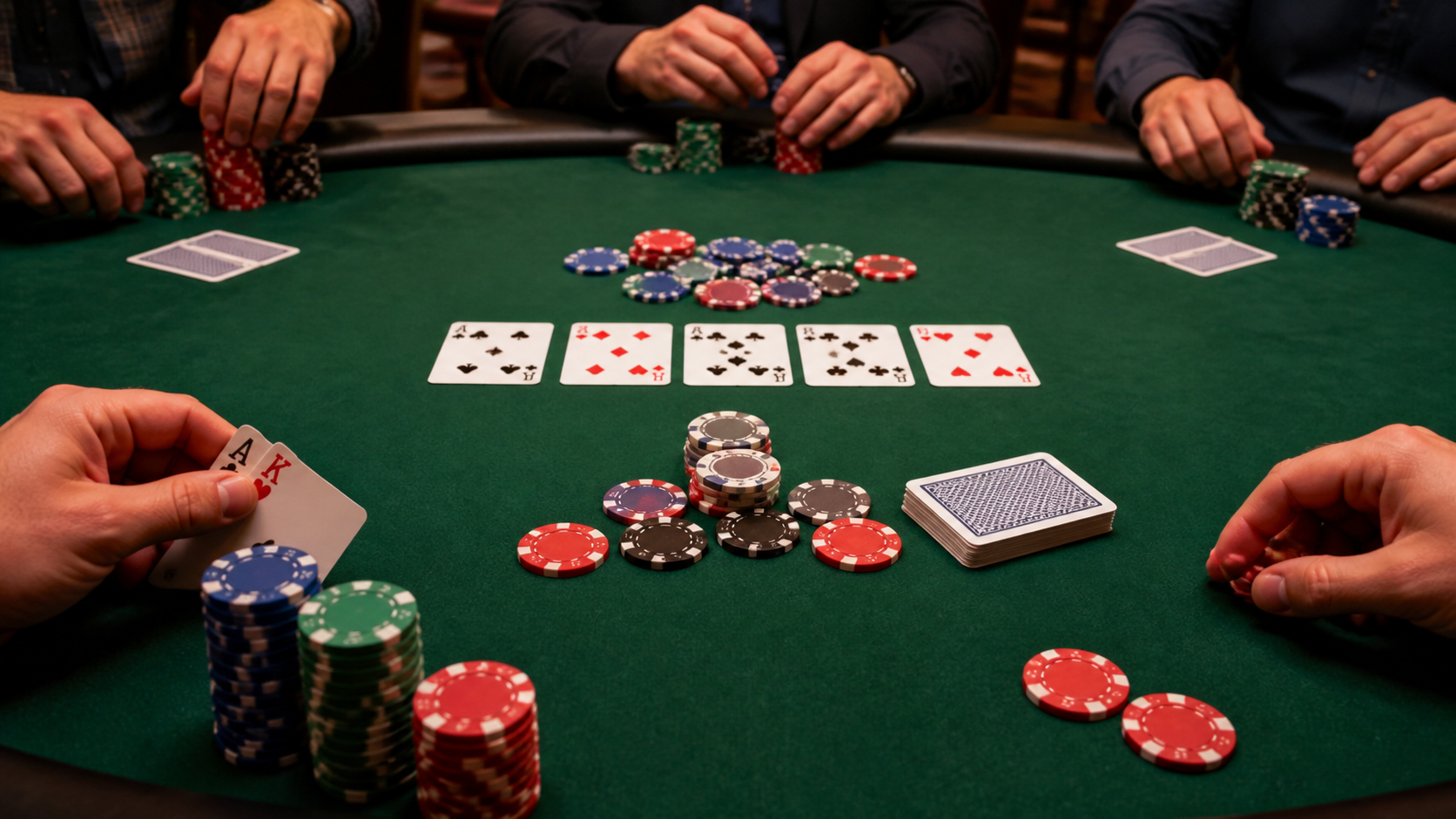
Online poker has a way of rewarding patience, observation, and disciplined decision-making. Unlike many casino-style games that move quickly and depend mostly on chance, poker asks players to read patterns, manage risk, and make choices with incomplete information. That mix is what makes the game compelling: every hand presents a small puzzle, and every session becomes a lesson in judgment.
For newcomers, the appeal is often simple. The rules are easy enough to learn, the tables are available at many different levels, and the format can suit both short and long play sessions. For more experienced players, the challenge is deeper. Table selection, bankroll management, timing, and position all matter, and even small habits can affect long-term results. That is why a thoughtful approach to เกมโป๊กเกอร์ออนไลน์ is useful whether someone plays casually or with a more serious mindset.
What Makes Online Poker Different from Other Casino Games
One of the first things players notice is that poker is not played against the house in the same way as many other games. Instead, the main challenge is the competition between players. That changes the tone of the experience. A hand is not only about the cards you hold; it is also about how your opponents behave, what they seem willing to do, and how your own actions influence their decisions.
Online formats add another layer. The pace can be faster, multi-table play is possible, and the lack of a physical table means players rely more on timing, betting patterns, and game flow than on face-to-face cues. This does not make the game easier or harder in a simple sense. It just means the clues are different.
Skill, chance, and decision-making
Chance still matters because no player controls the cards that are dealt. But poker gives players room to make better or worse decisions with those cards. That is why two players can face the same situation and walk away with very different outcomes over time. Good decisions do not guarantee success in a single hand, but they can improve the quality of play across many hands.
Why the online format changes strategy
Online poker reduces some of the social reading that live players depend on, but it introduces new information such as bet sizing, frequency, and timing habits. Players who pay attention to these signals can often build a clearer picture of the table. At the same time, the faster pace can encourage rushed choices, which is why discipline becomes even more important.
Getting Started with Better Habits
A strong poker experience usually begins before the first hand is dealt. New players often focus on the cards and ignore the habits that shape long-term results. Yet simple routines can make a noticeable difference. Understanding the rules of the specific format, learning hand values, and knowing how betting rounds work are basic steps, but they are only the beginning.
It also helps to approach the game with realistic expectations. Poker sessions can move quickly, and not every decision will lead to an obvious result. Players who treat each hand as part of a larger process tend to make steadier choices than those who react emotionally to short-term swings.
- Start with low-pressure tables until the pace feels manageable.
- Learn the value of position, since acting later often provides more information.
- Pay attention to stack sizes, because they affect what kinds of bets make sense.
- Avoid chasing losses, especially when frustration begins to influence judgment.
- Use consistent session limits so play stays intentional rather than impulsive.
These basics are not glamorous, but they help create a foundation. Many players improve more by reducing avoidable mistakes than by searching for complicated tactics.
Reading the Table and Making Smarter Choices
Once the basics are in place, the next step is learning how to interpret the table. Poker is full of small decisions that influence future ones. A cautious opponent may fold too often. A loose player may enter too many pots. A steady, balanced player may be harder to read but still reveal tendencies over time. The goal is not to label everyone perfectly. It is to notice patterns that make your own choices sharper.
Good table awareness also means understanding when to slow down. A hand that looks attractive at first can become less appealing if several opponents continue to invest chips. In contrast, a modest starting hand can sometimes be worth more than it appears when the conditions are right. The best players often keep their focus on context rather than treating any single hand as automatically strong or weak.
Position and timing
Position is one of the most valuable concepts in poker because it changes how much information you have before acting. When you speak later in a hand, you can see what others choose to do first. That extra information can help with everything from value betting to deciding whether to fold. Timing matters too, because an aggressive move at the wrong moment can inflate a pot that should have stayed manageable.
Bet sizing with purpose
Betting is not just about putting chips in the middle. The amount you choose can communicate strength, invite action, discourage opponents, or control the size of the pot. Thoughtful sizing gives you more control over the hand. Reckless sizing, on the other hand, can expose too much or create unnecessary pressure. A careful player uses bets to support a plan rather than as a reflex.
Bankroll Management and Responsible Play
Even when the game is skill-driven, money management remains essential. A player may make good decisions and still face short-term swings. That is normal. What matters is whether those swings are manageable. Bankroll planning helps reduce emotional pressure and makes it easier to stay focused on the quality of play rather than the immediate outcome of each session.
Setting limits before a session begins can be one of the most practical habits a player develops. It creates structure, prevents overextension, and helps the game remain enjoyable. For casual players, that structure may be as simple as deciding how long to play and how much to risk. For more frequent players, a clearer budget and table selection strategy may be useful.
- Decide in advance how much you are willing to risk in one session.
- Leave the table if frustration starts to influence your choices.
- Choose stakes that feel comfortable rather than pressured.
- Treat losses as part of the game, not as a reason to force action.
- Take breaks so attention does not drift into automatic play.
Responsible play is not about making the game less interesting. It is about preserving clarity. A player who stays in control is more likely to notice patterns, avoid emotional mistakes, and enjoy the experience for longer.
Common Mistakes That Quietly Hurt Results
Many poker mistakes are subtle. They do not look dramatic at the time, but they add up. One common issue is playing too many hands simply because the table feels active. Another is staying too attached to a hand after new information makes it less attractive. Some players also ignore table dynamics and keep using the same approach regardless of how others are playing.
Another frequent problem is overvaluing strong-looking starting cards without considering the full picture. A hand can look appealing and still be vulnerable if the betting action becomes difficult. Likewise, some players become too cautious after a few losses and start folding spots that deserve more attention. Balance matters. The goal is not to play fearfully or recklessly, but to respond to the actual situation in front of you.
Emotional habits to watch
Tilt is one of the most damaging habits in poker because it distorts judgment. It can appear after a bad beat, a long losing streak, or even a table that simply feels frustrating. When emotions take over, players often chase action, ignore their usual discipline, or make larger bets than they intended. Recognizing that shift early can save both money and focus.
Why overconfidence can be just as costly
Confidence helps, but overconfidence can lead to sloppy play. A player who assumes they have “figured out” the table may stop observing carefully. They may also force bluffs or call too often without enough reason. The strongest approach is usually steady rather than dramatic: stay alert, keep evaluating, and let the table tell you more before you commit.
Building a Long-Term Approach to Online Poker
The most useful mindset in online poker is probably the simplest one: think in terms of process. A session is only one part of a larger learning curve. Some hands will go well for reasons that are obvious. Others will not. What matters is whether the decisions were sound given the information available at the time. That perspective helps players separate outcome from quality.
Over time, better habits tend to compound. A player who studies opponents carefully, manages risk sensibly, and avoids unnecessary emotion is often in a better position to make thoughtful choices again and again. There is no shortcut that removes uncertainty from the game, but there is plenty of room to improve the way you respond to it. That is where online poker becomes more than a sequence of hands. It becomes a practice in patience, adaptation, and self-control.
For anyone approaching the game seriously, the best results usually come from small, repeatable improvements rather than dramatic swings in style. Keep the game manageable, stay observant, and focus on decisions that make sense in context. That approach will not remove the natural ups and downs, but it can make the experience more informed, more consistent, and ultimately more rewarding.
