


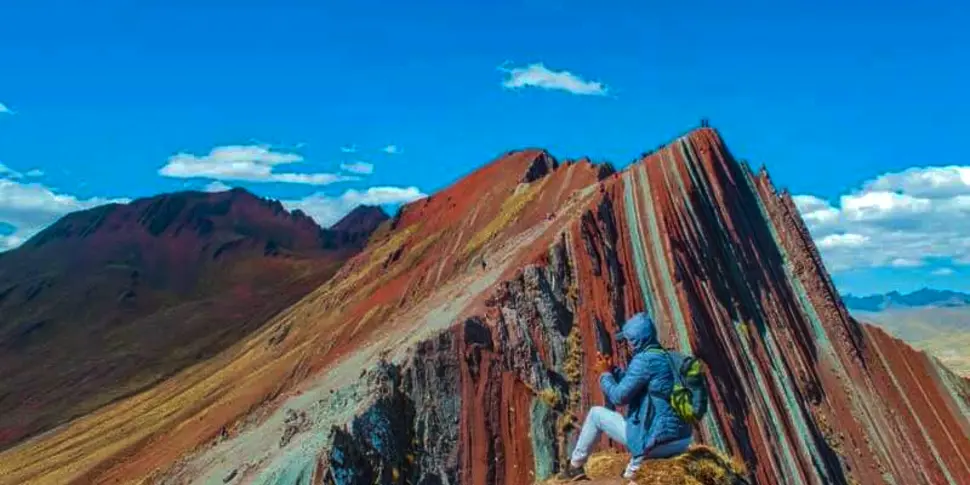
Peru is a country blessed with dramatic landscapes, ancient civilizations, and natural wonders that feel almost unreal. While destinations like Machu Picchu and Vinicunca Rainbow Mountain attract global attention, there are still lesser-known gems waiting to be discovered. One of the most striking among them is Pallay Punchu, a vibrant, multicolored mountain that looks like a woven Andean textile draped across the earth. Remote, visually stunning, and culturally rich, Pallay Punchu is fast becoming a must-visit destination for adventurous travelers seeking something truly unique.
What Is Pallay Punchu?
Pallay Punchu is a colorful mountain range located in the southern Andes of Peru, famous for its sharp ridges and striped patterns that resemble a traditional Andean poncho, known locally as a punchu. The word “pallay” refers to the intricate weaving patterns used by Andean communities, making the name a perfect description of the mountain’s appearance.
Unlike the smoother waves of Vinicunca, Pallay Punchu features dramatic peaks and pointed formations with bold lines of red, yellow, turquoise, brown, and green. These colors were formed over millions of years through the accumulation of mineral sediments, tectonic movements, and erosion.
Location of Pallay Punchu
Pallay Punchu is located in the Cusco region, specifically in the province of Canas, near the small town of Layo. It sits close to Langui Lake, one of the highest navigable lakes in Peru. The mountain lies at an altitude of approximately 4,700 meters (15,420 feet) above sea level, making it a high-altitude adventure similar to other Andean hikes.
Because Pallay Punchu is relatively new to tourism, it remains less crowded and more pristine than many famous attractions, offering travelers a peaceful and authentic experience.
Why Pallay Punchu Is So Special
What sets Pallay Punchu apart from other rainbow mountains is its distinctive texture and shape. Instead of rolling hills, the mountain displays sharp, jagged ridges that run in parallel lines, creating the illusion of fabric folds. When sunlight hits the slopes, the colors intensify, producing a breathtaking visual effect.
Another reason Pallay Punchu stands out is its cultural significance. The mountain is surrounded by traditional Andean communities that still preserve ancestral customs, clothing, and agricultural practices. Visiting Pallay Punchu is not just a scenic hike—it’s also a journey into living Andean heritage.
How to Get to Pallay Punchu
Most travelers begin their journey in Cusco, the historic capital of the Inca Empire. From Cusco, Pallay Punchu can be reached in several steps:
- Cusco to Sicuani – A drive of around 3 to 4 hours.
- Sicuani to Layo – Approximately 1.5 hours by road.
- Layo to Pallay Punchu Trailhead – A short drive followed by a hike.
Due to the remote location, many travelers choose to visit Pallay Punchu with a guided tour, which includes transportation, meals, and local expertise. Independent travelers can also arrange private transport, but preparation is essential.
The Pallay Punchu Hike
The hike to Pallay Punchu is considered moderate, mainly due to the altitude rather than technical difficulty. The walking distance is relatively short—around 1.5 to 2 kilometers—but the thin air can make breathing challenging.
Hiking Highlights
- Panoramic views of Langui Lake
- Striking striped rock formations
- Open Andean landscapes with grazing alpacas and llamas
- Minimal crowds compared to other Cusco hikes
Hikers typically spend 1 to 2 hours exploring the area, taking photos, and enjoying the scenery before returning.
Best Time to Visit Pallay Punchu
The best time to visit Pallay Punchu is during the dry season, which runs from May to September. During these months, skies are clearer, trails are safer, and the mountain’s colors appear more vivid.
Seasonal Overview
- Dry Season (May–September): Best weather, cold mornings, clear views
- Rainy Season (October–April): Fewer tourists, greener landscapes, but muddy trails and possible cloud cover
Early morning visits are ideal, as the light enhances the mountain’s colors and winds are usually calmer.
What to Pack for Pallay Punchu
Because of the high altitude and unpredictable weather, packing correctly is essential. Recommended items include:
- Warm layers and a windproof jacket
- Comfortable hiking shoes
- Sun protection (hat, sunscreen, sunglasses)
- Water and light snacks
- Camera or smartphone for photography
- Coca leaves or altitude sickness medication
Even on sunny days, temperatures can drop quickly, so being prepared ensures a safe and enjoyable experience.
Cultural Experience Around Pallay Punchu
One of the most rewarding aspects of visiting Pallay Punchu is interacting with local communities. Residents of the Canas province maintain strong traditions, wearing colorful woven clothing similar to the patterns seen on the mountain itself.
Some tours include stops at nearby villages where travelers can:
- Learn about traditional weaving techniques
- Taste local Andean foods
- Observe daily rural life at high altitude
This cultural connection deepens the meaning of the visit and supports sustainable tourism in the region.
Pallay Punchu vs. Vinicunca Rainbow Mountain
Many travelers wonder whether Pallay Punchu is worth visiting if they’ve already seen Vinicunca. The answer is a definite yes.
| Feature | Pallay Punchu | Vinicunca |
| Crowds | Very few | Very crowded |
| Shape | Sharp ridges | Rolling hills |
| Difficulty | Moderate | Moderate |
| Experience | Remote & cultural | Popular & commercial |
Pallay Punchu offers a more intimate and off-the-beaten-path adventure, perfect for travelers who value solitude and originality.
Photography at Pallay Punchu
Photographers will find Pallay Punchu especially rewarding. The contrast between the bold stripes, blue skies, and surrounding highland terrain creates dramatic compositions. Sunrise and mid-morning light are ideal for capturing depth and color.
Drone photography may be restricted in some areas, so it’s important to check local regulations before flying.
Responsible Travel Tips
As Pallay Punchu grows in popularity, responsible travel is essential to preserve its natural beauty. Visitors should:
- Stay on designated paths
- Avoid disturbing wildlife
- Carry out all trash
- Respect local customs and communities
Supporting local guides and services helps ensure that tourism benefits the people who call this region home.
Why Pallay Punchu Should Be on Your Peru Itinerary
If you’re looking for a destination that combines raw natural beauty, cultural authenticity, and a sense of discovery, Pallay Punchu is an exceptional choice. It showcases the Andes in a form few travelers have seen, offering a visual spectacle that feels both ancient and alive.
As one of Peru’s newest emerging attractions, Pallay Punchu remains refreshingly untouched—an ideal place for travelers who want to experience the magic of the Andes without the crowds.
Final Thoughts on Pallay Punchu
Pallay Punchu is more than just a colorful mountain—it is a symbol of Peru’s geological wonders and cultural richness. From its textile-like patterns to its quiet highland setting, it delivers an unforgettable experience for nature lovers, hikers, and photographers alike.
As awareness grows, Pallay Punchu is destined to become one of Peru’s iconic landscapes. Visiting now allows travelers to witness its beauty in its purest form, making it a truly rewarding adventure in the heart of the Andes.
