


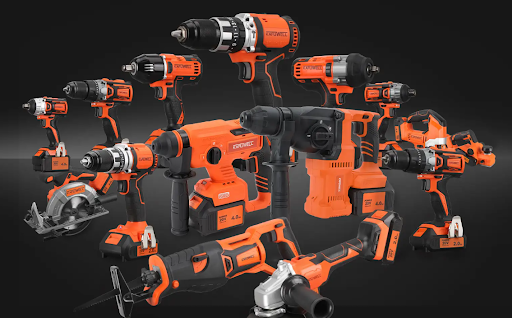
China remains the world’s manufacturing powerhouse, producing the vast majority of the tools found in hardware stores and construction sites globally. For distributors and retailers, sourcing directly from China offers an incredible opportunity to maximize profit margins and access a wide variety of products.
However, the process is not without its risks. A bad supplier choice can lead to delayed shipments, poor quality products, and damaged brand reputation. To help you navigate this complex market, we have outlined the five most common mistakes importers make—and how you can avoid them to ensure a successful partnership.
1. Prioritizing “Lowest Price” Over Value
The most common trap for new buyers is obsessing over the lowest possible unit price. While cutting costs is essential, in the power tool industry, an extremely low price usually comes at the expense of component quality.
Cheap tools often use inferior motors, low-grade batteries, or brittle casing materials. This leads to high return rates and dissatisfied customers. Instead of looking for the cheapest option, focus on the cost-performance ratio. A reliable supplier will offer Wholesale Power Tools that balance competitive pricing with industrial-grade durability, ensuring your customers get tools that last.
2. Overlooking Compliance and Safety Certifications
Power tools are high-risk products. Different regions have strict safety standards (such as CE and GS for Europe, or UL/ETL for North America). One of the biggest mistakes importers make is assuming every manufacturer automatically complies with these standards.
If your shipment arrives without the necessary paperwork, it could be seized by customs or deemed illegal to sell in your market.
- The Fix: Always verify that the manufacturer has valid, up-to-date certificates for the specific models you are importing. At Kafuwell, we prioritize compliance to ensure our partners can distribute our tools globally without legal hassles.
3. Vague Technical Specifications
“I need a cordless drill.” This statement is too vague and often leads to disappointment. A “cordless drill” can range from a light-duty 12V screwdriver to a heavy-duty 20V hammer drill with a brushless motor.
Miscommunication regarding technical specs is a major cause of sourcing failure. When negotiating for wholesale power tools, be specific about:
- Voltage and Amperage: (e.g., 20V, 4.0Ah battery)
- Motor Type: (Brushed vs. Brushless)
- Torque Settings: (Maximum Newton-meters)
- Accessories: (What comes in the box? Drill bits? Carrying case?)
A professional supplier will always provide a detailed datasheet to confirm these specs before production begins.
4. Ignoring the Difference Between Factories and Trading Companies
There is a distinct difference between sourcing from a factory and a trading company.
- Trading Companies: They source products from various factories. While they may offer a wider range of random goods, they often have less control over production quality and lead times.
- Factories: Dealing directly with a manufacturer often gives you better pricing, direct communication regarding technical adjustments, and consistent quality control.
For businesses looking for long-term stability, partnering with a dedicated manufacturer or a specialized brand supplier is often the safer route for sourcing wholesale power tools.
5. Failing to Plan for Lead Times and Logistics
Global logistics can be unpredictable. Many buyers make the mistake of ordering too late, expecting goods to arrive just in time for a seasonal promotion. However, manufacturing takes time, and sea freight can face unexpected delays.
Rushing an order often forces the factory to cut corners on Quality Control (QC) to meet the deadline.
- The Strategy: Always plan your inventory 3 to 4 months in advance. work with a supplier who is transparent about their production capacity and lead times.
Conclusion: Choose a Partner, Not Just a Vendor
Sourcing from China doesn’t have to be a gamble. By avoiding these five mistakes—focusing on quality over cheapness, verifying certifications, communicating clear specs, vetting your supplier type, and planning logistics—you can build a profitable supply chain.
If you are looking for a reliable partner who understands these challenges and offers premium solutions, explore our catalog. We are committed to providing high-quality Wholesale Power Tools that help your business grow.
