


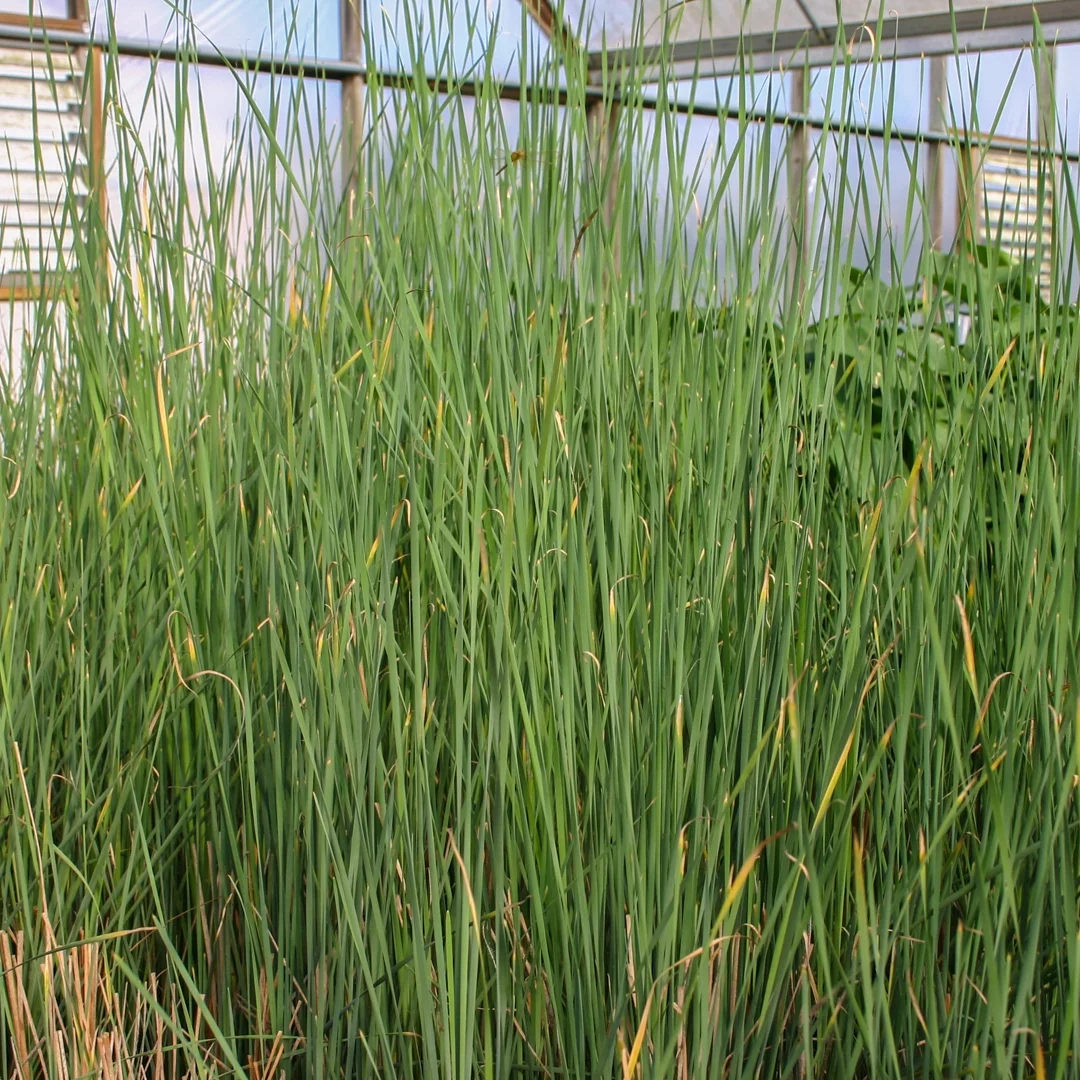
A pond can become one of the most attractive features in a garden, but the area around its edges plays an equally important role. Bare pond liners, hard borders, or exposed soil can make a water feature look unfinished. Adding suitable marginal plants is an effective way to soften these boundaries and create a more natural transition between water and garden.
If you Buy Marginal Pond Plants to Enhance Your Pond’s Edges, you can introduce color, texture, height, and wildlife-friendly planting to your water feature while creating a more cohesive garden design.
What Are Marginal Pond Plants?
Marginal pond plants are aquatic plants that naturally grow in shallow water or consistently damp soil around the edges of ponds. Their roots are often submerged or positioned in very moist conditions, while their stems and foliage grow above the water.
These plants are available in many forms, from low-growing flowering varieties to taller plants with architectural foliage. This variety makes them useful for designing pond margins with different heights and textures.
Why Use Marginal Plants Around Your Pond?
Create a Natural Transition
One of the main advantages of marginal plants is their ability to soften the boundary between the pond and surrounding landscape. Their foliage can partially conceal pond liners, containers, and other artificial features.
Add Color and Texture
Marginal plants can introduce attractive flowers and foliage throughout the growing season. Combining different varieties creates a more interesting pond edge than relying on one type of plant.
Encourage Garden Wildlife
A planted pond edge can provide shelter and habitat for insects, amphibians, and other wildlife. Flowering marginal plants may also attract bees and other beneficial pollinators.
Improve the Overall Design
Plants can help integrate a pond into the wider garden. By repeating colors and textures from nearby planting beds, you can make the water feature feel like a natural part of the landscape rather than a separate structure.
Popular Marginal Pond Plants
When you Buy Marginal Pond Plants to Enhance Your Pond’s Edges, consider selecting several varieties with different growth habits.
Water Iris
Water-loving iris varieties are popular for their attractive flowers and upright foliage. They can provide height and seasonal interest while working well in shallow pond areas.
Marsh Marigold
Marsh marigold is a cheerful choice for damp pond margins. Its bright flowers can provide an attractive splash of seasonal color.
Pickerelweed
Pickerelweed is valued for its broad leaves and attractive flower spikes. It can provide structure and visual interest along suitable pond edges.
Cattails
Cattails offer tall, distinctive foliage and can give larger ponds a natural wetland appearance. Because some varieties spread rapidly, they should be planted where their growth can be managed.
How to Choose the Right Plants
Before purchasing marginal plants, examine the conditions around your pond. Consider the available planting depth, sunlight exposure, water movement, and available space.
Some marginal plants prefer full sun, while others tolerate partial shade. It is also important to check the mature height and spread of each variety. Choosing plants that fit the size of your pond will help prevent overcrowding.
For a balanced appearance, combine taller plants toward the back of the pond with shorter varieties closer to the water’s edge.
Planting Marginal Plants Correctly
Use Suitable Aquatic Containers
Many marginal plants can be grown in aquatic planting baskets filled with appropriate aquatic soil. Containers make it easier to control growth and reposition plants when necessary.
Check Planting Depth
Different species have different depth requirements. Always follow the recommended planting depth for the specific variety to encourage healthy establishment.
Give Plants Enough Space
Avoid planting too many specimens close together. Allowing adequate space between plants gives them room to develop and reduces excessive competition for light and nutrients.
Maintaining Your Pond Edges
Marginal plants are generally easy to maintain once established. Remove dead leaves and flowers regularly to keep the planting area attractive. Fast-growing varieties may need occasional thinning or division to prevent them from taking over the pond margin.
Regularly inspect the pond edge for fallen leaves, excessive debris, and unwanted growth. Good maintenance helps keep both the plants and surrounding water feature looking healthy.
Designing an Attractive Pond Border
A successful pond border should combine plants with different colors, shapes, and heights. You can use flowering varieties for seasonal interest and foliage plants to provide structure throughout the year.
When you Buy Marginal Pond Plants to Enhance Your Pond’s Edges, think about the overall composition rather than selecting plants individually. Grouping complementary species can create a natural-looking display while leaving enough open water to maintain a sense of balance.
Natural stones, gravel, and carefully positioned planting containers can also complement marginal plants and make the pond edge appear more established.
Final Thoughts
Marginal pond plants can transform plain or artificial-looking pond edges into attractive, wildlife-friendly garden spaces. With the right selection, they can provide color, texture, structure, and a smoother transition between water and land.
By considering plant requirements, mature size, planting depth, and overall garden style, you can develop a pond border that remains appealing throughout the growing season. If your goal is to Buy Marginal Pond Plants to Enhance Your Pond’s Edges, choosing a balanced mixture of suitable varieties is a simple and effective way to improve the character of your water feature.
