


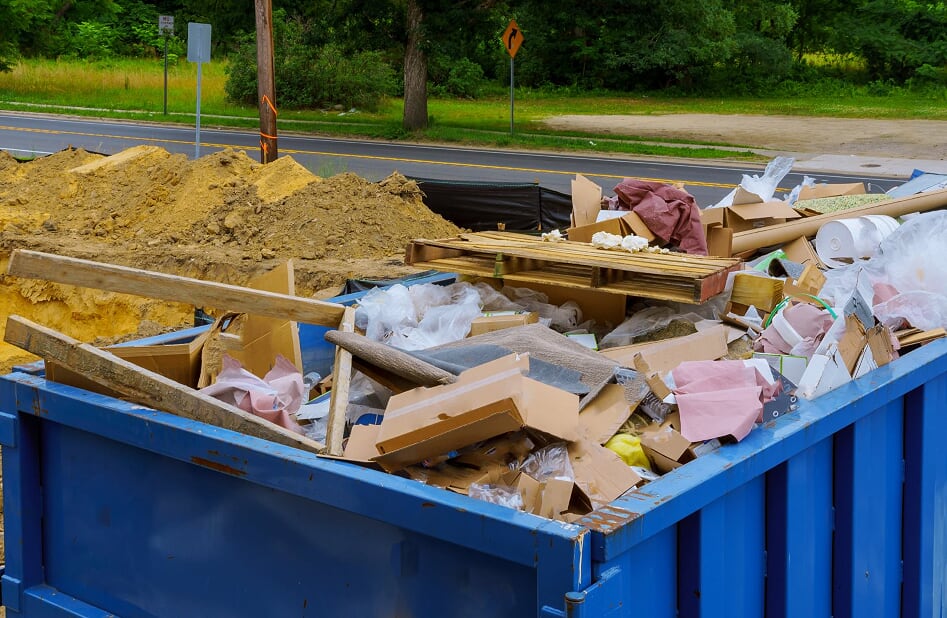
Whether you are decluttering a coastal property near Safety Bay, managing a residential renovation in Baldivis, or clearing out garden waste in Secret Harbour before summer, managing household rubbish is a major task. To clear away clutter efficiently, local residents frequently turn to hiring reliable skip bin providers to keep their yards and homes looking immaculate. However, without careful planning, waste disposal fees can quickly accumulate and strain your project budget.
Keeping your expenses under control requires a strategic approach to local rubbish removal. By booking a dependable skip bin hire in Western Australia and putting a few smart loading strategies into practice, you can keep your cleanup cost-effective. From selecting the right capacity to avoiding unnecessary surcharges, here are seven practical ways to save money on your next local skip bin rental.
1. Select the Right Bin Size Upfront
Avoid the Pitfalls of Underestimating Volume
The single most common error when booking a container is underestimating how much rubbish you actually have. When browsing for cheap skip bins Rockingham suppliers offer, choosing a smaller size to save a few dollars can backfire if your waste exceeds the limit. Having to order a second container means paying twice for delivery, haulage, and disposal fees.
How to Estimate Capacity Correctly
To gauge the right bin size for your project, convert your estimated rubbish volume into equivalent trailer loads or standard wheelie bins:
- 2 cubic metres: Fits approximately 8 standard wheelie bins or 2 box trailers.
- 4 cubic metres: Fits approximately 16 wheelie bins or 4 box trailers.
- 6 cubic metres: Fits approximately 24 wheelie bins or 6 box trailers.
When choosing between two sizes, opting for the slightly larger container is usually the most financial sound choice. The price difference to step up one size is far less than booking an additional small bin later.
2. Separate Waste Streams to Lower Fees
The Cost Penalty of Mixed Loads
Waste processing facilities charge different rates based on how easy materials are to process and recycle. Throwing soil, green waste, timber, and general plastic furniture into one container creates a mixed heavy waste load. This classification incurs maximum disposal tariffs because it requires intensive manual sorting at the depot.
Create Single Category Loads
If your project generates large quantities of a single waste type, renting a dedicated single-category container will save you money.
Common cost-effective single-category options include:
- Pure Green Waste: Exclusively for lawn clippings, palm fronds, and branches, which are converted into organic mulch at lower processing costs.
- Masonry and Concrete: Ideal for paving upgrades or driveway removal, as clean concrete can be crushed into reusable aggregate.
- Clean Fill and Soil: Perfect for turf removal or garden bed excavation where pure topsoil can be reused on landscaping projects.
3. Keep the Container on Your Private Property
Understand City of Rockingham Placement Rules
Where you direct the delivery driver to drop off your container directly affects your total bill. Within the City of Rockingham, placing a bin on private land—such as your driveway, gravel bay, or front lawn—incurs zero permit fees or council paperwork.
Avoid Road and Verge Permit Surcharges
If limited driveway space forces you to place the container on a public road, footpath, or council verge, you must apply for a local council permit. This process involves non-refundable application charges and potential delays while waiting for approval. Clearing space on your private driveway beforehand ensures your Western Australia bin hire remains straightforward and free of extra administrative costs.
4. Pack the Bin Like a Pro
Eliminate Air Pockets to Maximise Space
Randomly tossing bulky items over the side of the container creates large voids of empty space. To get the best value from your rental, pack your items methodically to utilise every available cubic centimetre.
Essential Packing Techniques
- Start with flat materials: Lay sheet materials like old plasterboard, cardboard boxes, and timber panels flat across the floor of the bin first.
- Dismantle furniture: Remove table legs, unscrewing bed frames, and break down large cabinets into flat pieces before loading.
- Place dense materials at the base: Position heavy items like bricks, pavers, and soil along the bottom to keep the load stable.
- Fill remaining gaps: Tuck smaller, loose rubbish items into the small spaces surrounding larger furniture pieces.
5. Prevent Unauthorised Dumping
Protect Your Bin From Opportunistic Dumping
Containers placed near street fronts over a weekend can become targets for passersby looking to discard their unwanted items for free. Unauthorised dumping can quickly push your container over its weight allowance or fill it past the top edge, leaving you responsible for the extra charges.
Simple Security Measures
Protect your investment with these quick precautions:
- Cover the top of the container securely with a heavy tarpaulin and bungee cords when work pauses for the day.
- Park a vehicle close to the access point overnight to physically block access to the loading zone.
- Position the container within range of motion-sensor floodlights or home security cameras.
6. Take Advantage of Local Recycling Facilities
Use Local Council Tip Passes
Before placing every item into your hired container, check what materials you can dispose of locally for free or at reduced rates. City of Rockingham residents are provided with tip passes for regional resource facilities, such as the Millar Road Landfill in Baldivis.
Divert Recyclable and Heavy Items
Take advantage of these facilities by self-hauling items like scrap metal, clean cardboard, whitegoods, and recyclable electronics, which are often accepted free of charge. Removing these bulky or dense items from your main pile allows you to rent a smaller, cheaper skip bin for the remaining non-recyclable waste.
7. Steer Clear of Restricted and Prohibited Materials
Avoid Severe Contamination Charges
Skip bin operators are bound by strict environmental regulations regarding landfill processing. Placing restricted or toxic items into a standard general waste container results in substantial contamination penalties from disposal depots.
Restricted Items to Keep Out
To protect your final invoice from unexpected surcharges, ensure these materials never enter your bin:
- Asbestos: Strictly prohibited due to health hazards; requires specialised hazardous waste containment.
- Tyres and Mattresses: Require individual processing; notify your supplier in advance to agree on flat fees rather than penalties.
- Paints, Solvents, and Batteries: Flammable and corrosive liquids pose severe safety hazards for transport drivers and must be taken to hazardous waste drop-off centers.
Complete Your Cleanup Within Budget
Renting a skip container remains the most convenient way to clear out large amounts of rubbish from your home or job site. By choosing the right capacity, separating waste types, packing efficiently, and utilising local council resources, you can keep your cleanup seamless and affordable.
A little planning goes a long way toward protecting your budget. Contact a trusted local waste operator today to discuss your project requirements and secure a great rate for your delivery.
